


Absence of Pro Tour leaves USBC Queens as only major
04/18/06
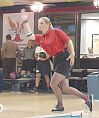 For years, Kelly Kulick built toward her dream of earning a living as a professional women's bowler. It didn't take long for that dream to crumble right before her eyes. Kulick was an up and coming bowler on the Professional Women's Bowlers Association Tour, earning top rookie honors in 2001 and on her to way to a promising career.
Not long after breaking through and winning her first title - the 2003 U.S. Open, a major on the PWBA Tour - Kulick was looking for a new job.
Dozens of the best female athletes in the sport of bowling were in the same boat after the PWBA simply ran out of funds before its fall swing in 2003. It marked the end of a 22-year run of women's professional bowling and severed the tour's relationship with cable network ESPN2.
Now the women of the former PWBA have one opportunity a year to compete for a major title - the United States Bowling Congress Queens. With a prize fund of $200,000 and a field of more than 300, it is the largest, most prestigious and only major women's event left in the country. The event will be conducted June 17-20 at the National Bowling Stadium in Reno, Nev.
"For me it was devastating; it was heartbreaking when the PWBA fell apart," said Kulick, a four-time member of Team USA before turning pro. "So much of my passion and love is about bowling. I waited so long in my life to get to that point and I finally win my first title, things are going my way, learned everything I could and it just broke my heart when it collapsed."
The downfall of the PWBA was in the works for many months before it happened. The direct reason for its failure can be pointed at a lack of sponsors and private donors willing to step up and keep the tour solvent.
"We had some sponsors, but it wasn't enough to pay the bills," said John Sommer, who owned the PWBA until it ceased operations. "It's a long, sad story. The girls deserve more."
Left with a career that had suddenly vaporized, many of the women lived on hope that the tour would start back up. When it didn't, the players moved on to other endeavors. Some of the players left the bowling industry completely, working jobs ranging from construction to medical fields. Others went on to run pro shops or bowling centers.
Eventually, the Professional Bowlers Association, which had only allowed membership by men since it's inception in the 1950s, opened its doors to women. Kulick was one of a handful who took advantage of the opportunity.
"I wanted to come out and bowl no matter what, whether it was against men, women, internationally it doesn't matter," said Kulick, who has earned just $14,360 in two years as a PBA member. "When the PBA opened its doors it was an opportunity to bowl against the greatest bowlers in the world. I can learn more being out here.
"My basketball coach when I was younger told me to play against the guys because they would make me better and these guys are going to make me better because I have to be at the best every time. It has been challenging and difficult."
Some women have been able to find limited success on the PBA Tour. Liz Johnson of Cheektowaga, N.Y., who was a standout on the PWBA Tour, made history by becoming the first woman to win a PBA regional and finished second in a PBA national event.
On the amateur level, women's bowling is flourishing. Bowling is the fastest growing sport at the high school level and the NCAA began recognizing women's bowling as a championship sport in the 2003-04 season.
But once the players emerge from college, there is no place for the best to compete on the professional level anymore. Eight-time USBC Team USA member and two-time U.S. Amateur champion Diandra Asbaty is one of those left out on the cold.
At 25, Asbaty is in her prime, but with no women's tour on the horizon she's content with continuing to compete as an amateur and earning a spot on Team USA each year.
"It's sad that becoming a professional bowler cannot be in a young girl's dreams anymore," Asbaty said. "It is unfortunate that the women who dedicated their lives to the PWBA Tour had their dreams stopped short. I can only hope that one day there will be more opportunities for young girls to dream of and for the experienced bowlers to return to."
Entries still available for USBC Queens and Senior Queens
Entries remain available for the 2006 USBC Queens and Senior Queens sponsored by Storm.
The entry fee for the Queens is $300 if paid by May 5 and $350 after that date. The Senior Queens (for those 50 years of age and older) entry fee is $165 if paid by May 5 and $200 thereafter. The Senior Queens is conducted concurrently with the Queens from June 17-21 at the National Bowling Stadium in Reno.
USBC News
Former pros have moved on since discontinuation of women's tour
For years, Kelly Kulick built toward her dream of earning a living as a professional women's bowler. It didn't take long for that dream to crumble right before her eyes. Kulick was an up and coming bowler on the Professional Women's Bowlers Association Tour, earning top rookie honors in 2001 and on her to way to a promising career. Not long after breaking through and winning her first title - the 2003 U.S. Open, a major on the PWBA Tour - Kulick was looking for a new job.
Dozens of the best female athletes in the sport of bowling were in the same boat after the PWBA simply ran out of funds before its fall swing in 2003. It marked the end of a 22-year run of women's professional bowling and severed the tour's relationship with cable network ESPN2.
Now the women of the former PWBA have one opportunity a year to compete for a major title - the United States Bowling Congress Queens. With a prize fund of $200,000 and a field of more than 300, it is the largest, most prestigious and only major women's event left in the country. The event will be conducted June 17-20 at the National Bowling Stadium in Reno, Nev.
"For me it was devastating; it was heartbreaking when the PWBA fell apart," said Kulick, a four-time member of Team USA before turning pro. "So much of my passion and love is about bowling. I waited so long in my life to get to that point and I finally win my first title, things are going my way, learned everything I could and it just broke my heart when it collapsed."
The downfall of the PWBA was in the works for many months before it happened. The direct reason for its failure can be pointed at a lack of sponsors and private donors willing to step up and keep the tour solvent.
"We had some sponsors, but it wasn't enough to pay the bills," said John Sommer, who owned the PWBA until it ceased operations. "It's a long, sad story. The girls deserve more."
Left with a career that had suddenly vaporized, many of the women lived on hope that the tour would start back up. When it didn't, the players moved on to other endeavors. Some of the players left the bowling industry completely, working jobs ranging from construction to medical fields. Others went on to run pro shops or bowling centers.
Eventually, the Professional Bowlers Association, which had only allowed membership by men since it's inception in the 1950s, opened its doors to women. Kulick was one of a handful who took advantage of the opportunity.
"I wanted to come out and bowl no matter what, whether it was against men, women, internationally it doesn't matter," said Kulick, who has earned just $14,360 in two years as a PBA member. "When the PBA opened its doors it was an opportunity to bowl against the greatest bowlers in the world. I can learn more being out here.
"My basketball coach when I was younger told me to play against the guys because they would make me better and these guys are going to make me better because I have to be at the best every time. It has been challenging and difficult."
Some women have been able to find limited success on the PBA Tour. Liz Johnson of Cheektowaga, N.Y., who was a standout on the PWBA Tour, made history by becoming the first woman to win a PBA regional and finished second in a PBA national event.
On the amateur level, women's bowling is flourishing. Bowling is the fastest growing sport at the high school level and the NCAA began recognizing women's bowling as a championship sport in the 2003-04 season.
But once the players emerge from college, there is no place for the best to compete on the professional level anymore. Eight-time USBC Team USA member and two-time U.S. Amateur champion Diandra Asbaty is one of those left out on the cold.
At 25, Asbaty is in her prime, but with no women's tour on the horizon she's content with continuing to compete as an amateur and earning a spot on Team USA each year.
"It's sad that becoming a professional bowler cannot be in a young girl's dreams anymore," Asbaty said. "It is unfortunate that the women who dedicated their lives to the PWBA Tour had their dreams stopped short. I can only hope that one day there will be more opportunities for young girls to dream of and for the experienced bowlers to return to."
Entries still available for USBC Queens and Senior Queens
Entries remain available for the 2006 USBC Queens and Senior Queens sponsored by Storm.
The entry fee for the Queens is $300 if paid by May 5 and $350 after that date. The Senior Queens (for those 50 years of age and older) entry fee is $165 if paid by May 5 and $200 thereafter. The Senior Queens is conducted concurrently with the Queens from June 17-21 at the National Bowling Stadium in Reno.